Building condition assessments that tell you what to fix first.

A building condition assessment gives your council a complete, prioritized picture of every major system. Engineers from envelope to electrical walk the building together and deliver one sealed report your strata can act on.

Multi-family residential building, building condition assessment Multi-family residential strata, condition assessment Multi-family residential building, BC strata
Five engineering disciplines, one assessment, one sealed report
Building science Structural Mechanical & HVAC Electrical Geotechnical EGBC member firm 2M general liability Serving BC since 2012 Building science Structural Mechanical & HVAC Electrical Geotechnical EGBC member firm 2M general liability Serving BC since 2012

Three situations where a condition assessment pays off.

01

Capital planning and budgeting

Before a council locks in a five-year capital plan or sets the next year's budget, a condition assessment tells them which systems need attention now and which can wait. Engineers rank findings by urgency so the council spends where it matters.

02

Purchase due diligence

Buyers, lenders, and strata corporations taking over a portfolio want an independent picture of the building before any commitment. A condition assessment documents current state across every system and flags anything that could affect the transaction.

03

Pre-project scoping

Before a major project, a whole-building assessment helps the council understand whether other systems need to be addressed at the same time. Catching a secondary issue before work begins is far less expensive than catching it during.

What a Strata Engineering assessment covers.

A building condition assessment is a systematic review, not a spot check. Engineers from each relevant discipline walk the building and document condition, estimated remaining service life, and recommended priority for every major component. The report is organized so the council can act on it directly.

  • Building envelope: cladding, windows, doors, roofing, and drainage
  • Structural elements: foundations, framing, parkade, balconies, and slabs
  • Mechanical systems: HVAC, plumbing, hot water, and ventilation
  • Electrical systems: distribution, common-area lighting, panels, and life safety
  • Condition rating and estimated remaining service life for each component
  • Prioritized findings ranked by urgency: immediate, near-term, and long-range
  • Photographic documentation organized by system
  • EGBC-sealed report signed by the engineers who performed the inspection
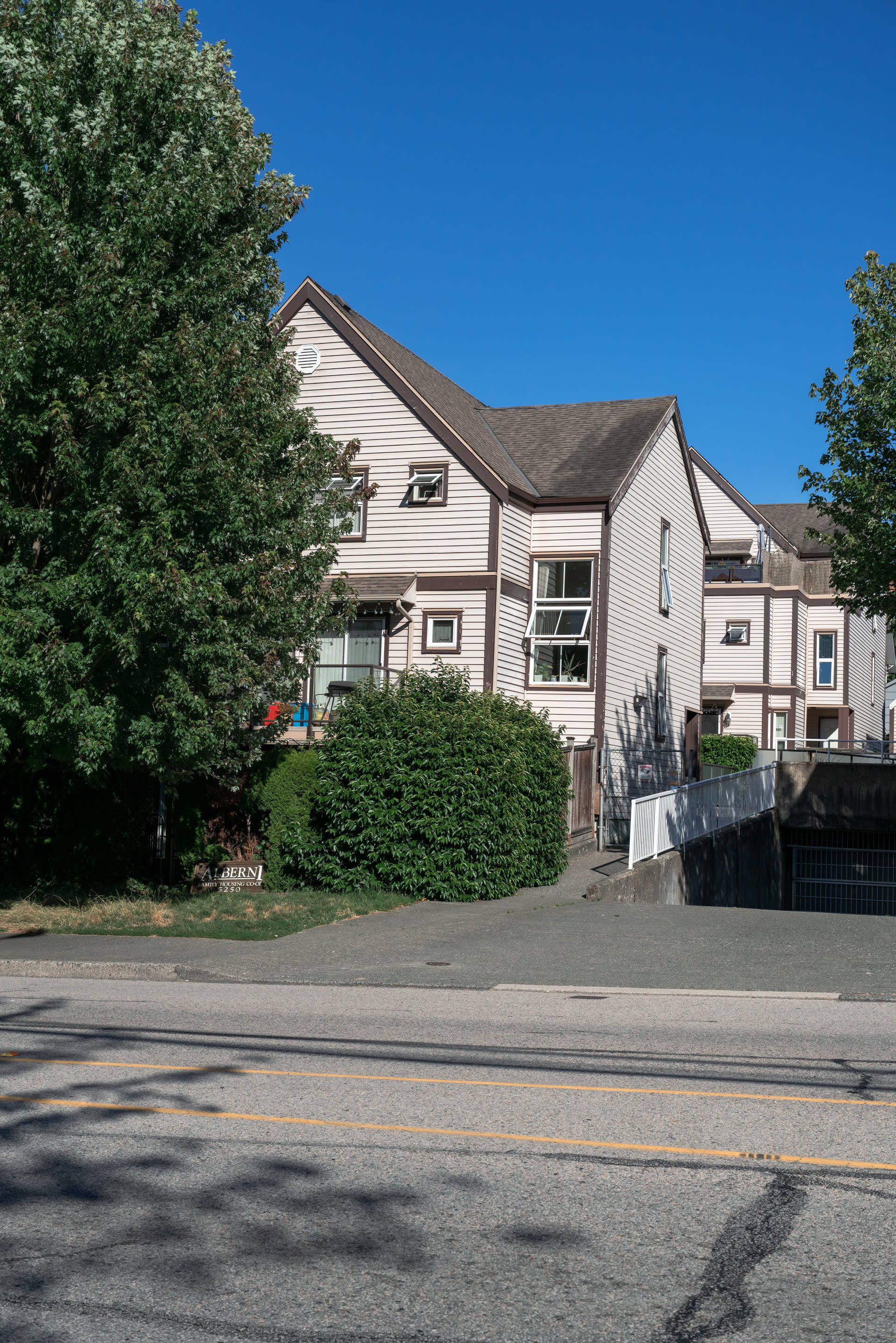
Multi-family residential building assessed by Strata Engineering, BC
Fig. 02 Building condition assessment completed, BC-wide

How a condition assessment actually runs.

Multi-family residential building under engineering assessment How we work
01/ 04
Step 01

Scoping call

We learn the building, the council's concerns, and what the assessment needs to answer. You get a clear scope and a proposal before anything else moves.

Step 02

On-site inspection

A multi-disciplined team walks every accessible area. Envelope, structural, mechanical, and electrical engineers review their systems directly, not through a secondhand summary from one generalist.

Step 03

Analysis and prioritization

Engineers assess condition, estimate remaining service life for each component, and rank findings. The team reviews findings together so nothing falls through a gap between disciplines.

Step 04

Report delivery

One EGBC-sealed report with prioritized findings organized by urgency. We walk the council through results and answer questions so the report becomes a tool the council can use, not a document that sits on a shelf.

Fig. 01

One person cannot assess every system in a multi-family building.

Generalist inspectors tick boxes. Our engineers inspect within their discipline and then review findings as a team, so the council gets a coherent whole-building picture rather than five disconnected opinions from five separate engagements.

A building condition assessment gives your council a complete, prioritized picture of every major system.
Whole-building condition assessment

Broad assessment or targeted investigation. We'll tell you which.

Two tools for two different questions. A condition assessment answers "how is the whole building doing?" A preliminary investigation answers "what is causing this specific problem?" Councils often need both, in sequence.

Building condition assessment

Whole-building scope. All major systems reviewed in one engagement. Findings prioritized across envelope, structural, mechanical, and electrical. The starting point for capital planning, pre-purchase review, or a strata taking over a building.

Preliminary investigation

Targeted scope. One issue, one discipline, enough information to decide whether to proceed and what remediation looks like. The right tool once the condition assessment has flagged a component that needs a closer look.

Booked by referral, manager to manager.

"The team at Strata Engineering have worked tirelessly on a number of projects I've assigned to them to deliver the best possible results. Their knowledge and professionalism have encouraged me to refer them to my peers and use them regularly."
Anders BeiermiesterProperty Manager
"I have always trusted Strata Engineering to handle the engineering needs of my portfolio; everything from general questions to major projects. I highly recommend them to anyone who wants confident solutions to their needs."
Charlotte LeungProperty Manager
"Strata Engineering has always gone above and beyond when I have engaged their services. They are both accommodating to client schedules and leave no question unanswered, leaving me and my strata with peace of mind."
Megan GossProperty Manager

Questions we hear on the first call.

If yours is not covered, ask us. We will answer on the phone before anyone sends a proposal.

What is the difference between a building condition assessment and a preliminary investigation?

A building condition assessment covers the whole building systematically, every major system reviewed and prioritized in one report. A preliminary investigation is targeted: one specific issue, one discipline, enough information to decide whether to proceed. Councils often start with an assessment and then commission a preliminary investigation on the components that need a closer look.

Does a building condition assessment replace a depreciation report?

No. They serve different purposes. A condition assessment gives you a current-state picture of the building and prioritizes what needs attention. A depreciation report projects repair and replacement costs over thirty years and models the contingency reserve fund. Many councils commission a condition assessment to inform a depreciation report or to plan a capital budget before the next report cycle.

Who should commission a building condition assessment?

Property managers and councils who need an overall picture of a building they manage, are acquiring, or are about to undertake major work on. Buyers' agents and lenders also request them during purchase due diligence on strata properties. A condition assessment is useful any time the council needs to prioritize repairs without yet knowing which system to start with.

Is the report sealed by an engineer?

Yes. Strata Engineering is an EGBC member firm. Reports are sealed by the qualified engineers responsible for each discipline reviewed. Our multi-disciplined approach means the right professional seals each component area rather than one generalist signing across every system.

Can you assess a building we are considering purchasing?

Yes. Pre-purchase due diligence is a common reason councils and purchasers commission a condition assessment. We coordinate access with the current owners or property manager and scope the inspection to the questions the buyer needs answered.

What parts of the building do you review?

The scope is tailored to the building and the council's needs, but a standard condition assessment covers the building envelope, structural elements, mechanical systems including HVAC and plumbing, and electrical systems. We walk every accessible area and document condition, estimated remaining service life, and recommended priority for each component.

Your council deserves a clear picture of the building they manage.

Start with a twenty-minute scoping call. A qualified engineer learns the building and returns a clear proposal before any commitment.