The 2-5-10 warranty has a deadline the developer won't mention.

Each window closes once. We inspect before it does, document every defect while the builder is still on the hook, and hand your council a report it can use in dispute.

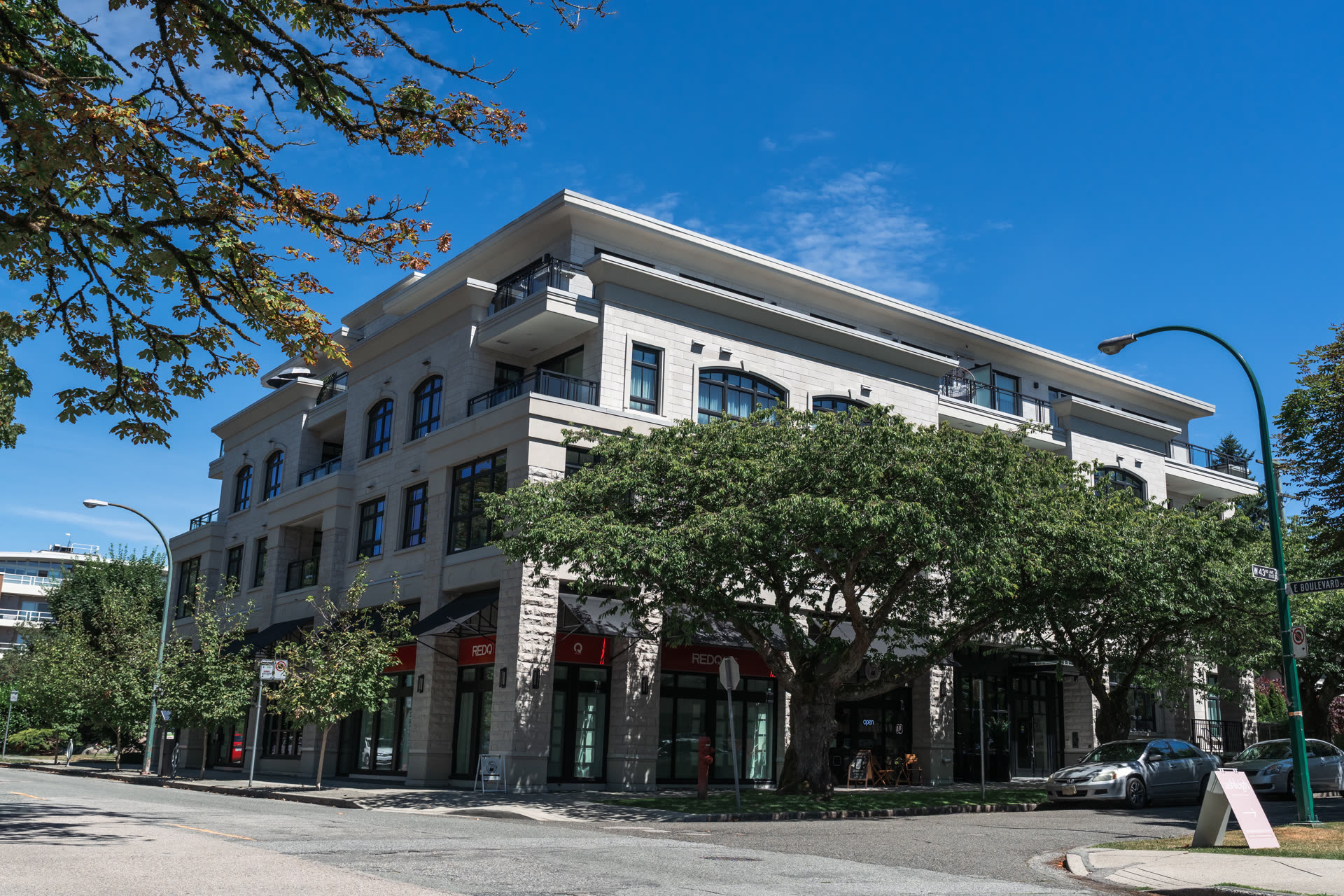
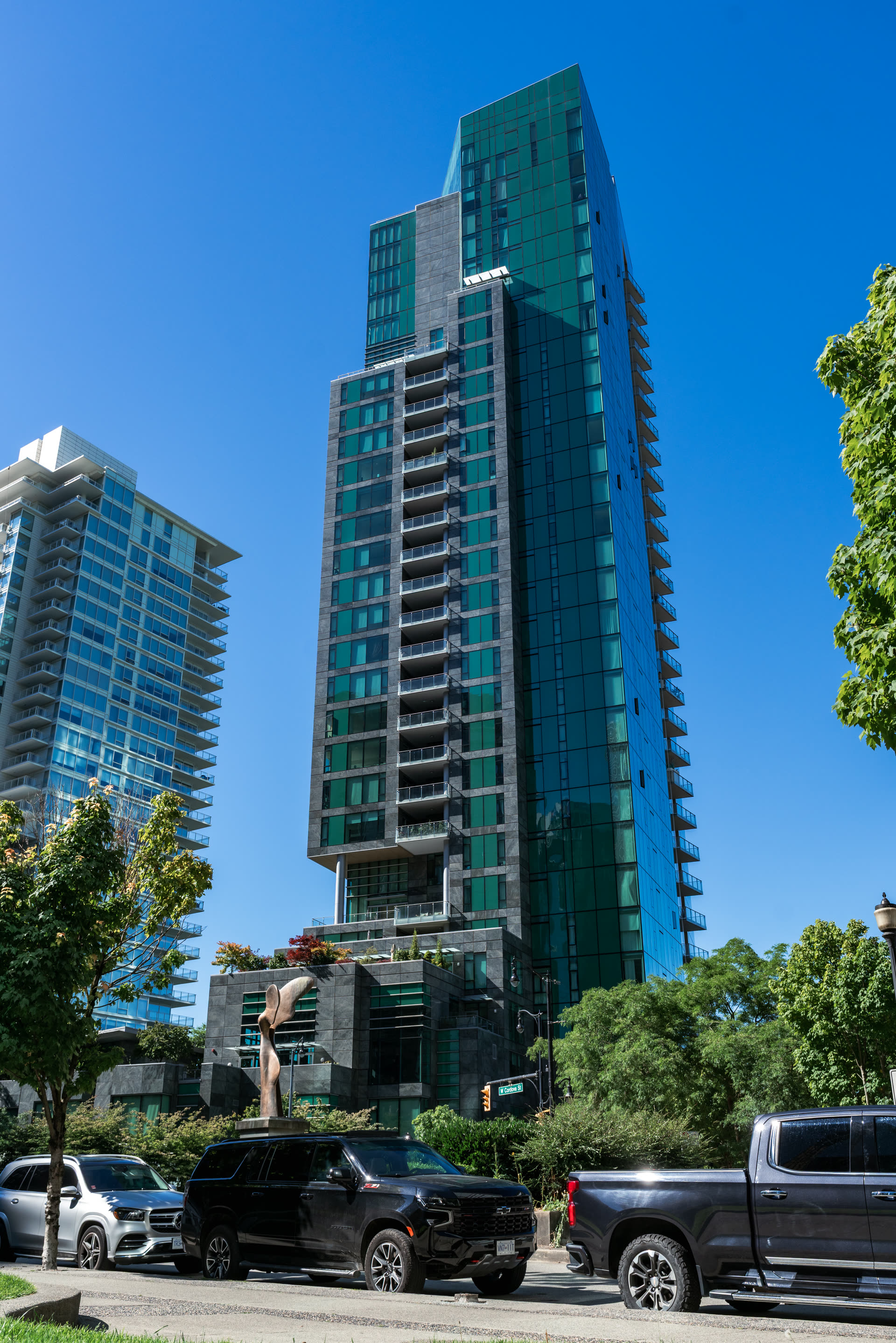
New multi-family residential tower in British Columbia, within its 2-5-10 warranty windows Multi-family residential building Strata Engineering has inspected for warranty defects Multi-family residential building in British Columbia
1-year materials & labour • 2-year delivery systems • 5-year building envelope • 10-year structural defects
1-year materials & labour 2-year delivery systems 5-year building envelope 10-year structural defects BC Homeowner Protection Act EGBC member firm 2M general liability Reporting since 2012 1-year materials & labour 2-year delivery systems 5-year building envelope 10-year structural defects BC Homeowner Protection Act EGBC member firm 2M general liability Reporting since 2012

Four windows. Each one closes once.

The 2-5-10 program covers new residential construction across BC. Most councils know the number and miss the timing. A defect found after a window closes is a defect the builder is no longer obligated to fix.

1Yr

Materials and labour

Finishing, fixtures, and workmanship visible inside units and common areas. This window moves faster than most councils expect, because the clock starts at possession, not strata formation, and possession dates vary across units.

2Yrs

Delivery and distribution systems

Plumbing, drainage, heating, electrical, ventilation, and gas. Defects in how these systems were installed, not just the equipment itself. Problems often surface after the first full heating or cooling season.

5Yrs

Building envelope

Water ingress through walls, windows, roofing, decks, balconies, and parkade. This is the highest-risk window in BC's climate. Envelope defects often stay hidden until a wet season exposes them.

10Yrs

Structural defects

Foundations, framing, columns, and slabs. The longest window, but claims here carry the highest cost. Structural issues rarely announce themselves early, so a pre-close inspection gives the council documented evidence before the obligation expires.

If the deadline passes before the defect is documented, the builder's obligation disappears.

The BC Homeowner Protection Act does not allow extensions. Once a window closes, new claims under that category are not accepted, regardless of when the defect actually developed. The inspection and the report must happen before the deadline, not after.

0

Extensions granted under the HPA. Once the window closes, the obligation is gone.

Book early

At least 60 days before a window closes. We see councils contact us at week 10 of a 12-week window. It can be done, but earlier is always better.

What a warranty review covers.

The review is built around the window you're in. A 5-year review emphasises the envelope; a 2-year review focuses on the delivery systems. We scope it correctly, inspect with the right engineers, and document everything the builder will need to see before they will act.

  • On-site inspection scoped to the warranty window: envelope, structural, mechanical, or all three.
  • Defect identification with photographic documentation and location reference.
  • Classification of defects by warranty category: 1yr, 2yr, 5yr, or 10yr.
  • Severity assessment, cosmetic, functional, or structural, prioritised for the builder claim.
  • Written deficiency report in language the warranty provider and builder will accept.
  • EGBC-sealed letter available when escalation to dispute resolution is required.
  • Council presentation on findings and next steps for pursuing remediation.
  • Optional combined scope with a depreciation report to reduce site visit disruption.
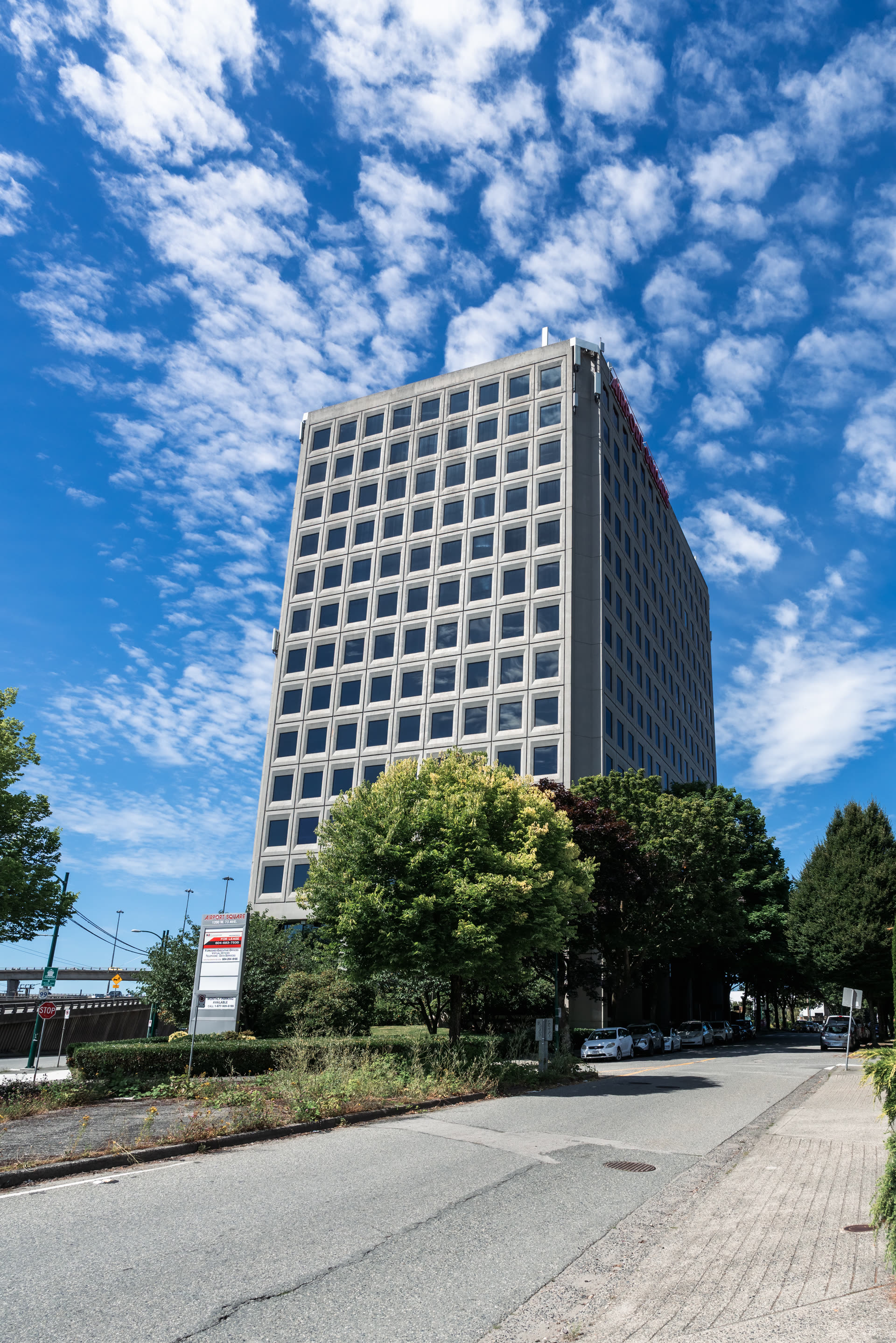
Multi-family residential building Strata Engineering has inspected for warranty defects
Fig. 02 Warranty review filed before close, BC-wide

How the inspection actually works.

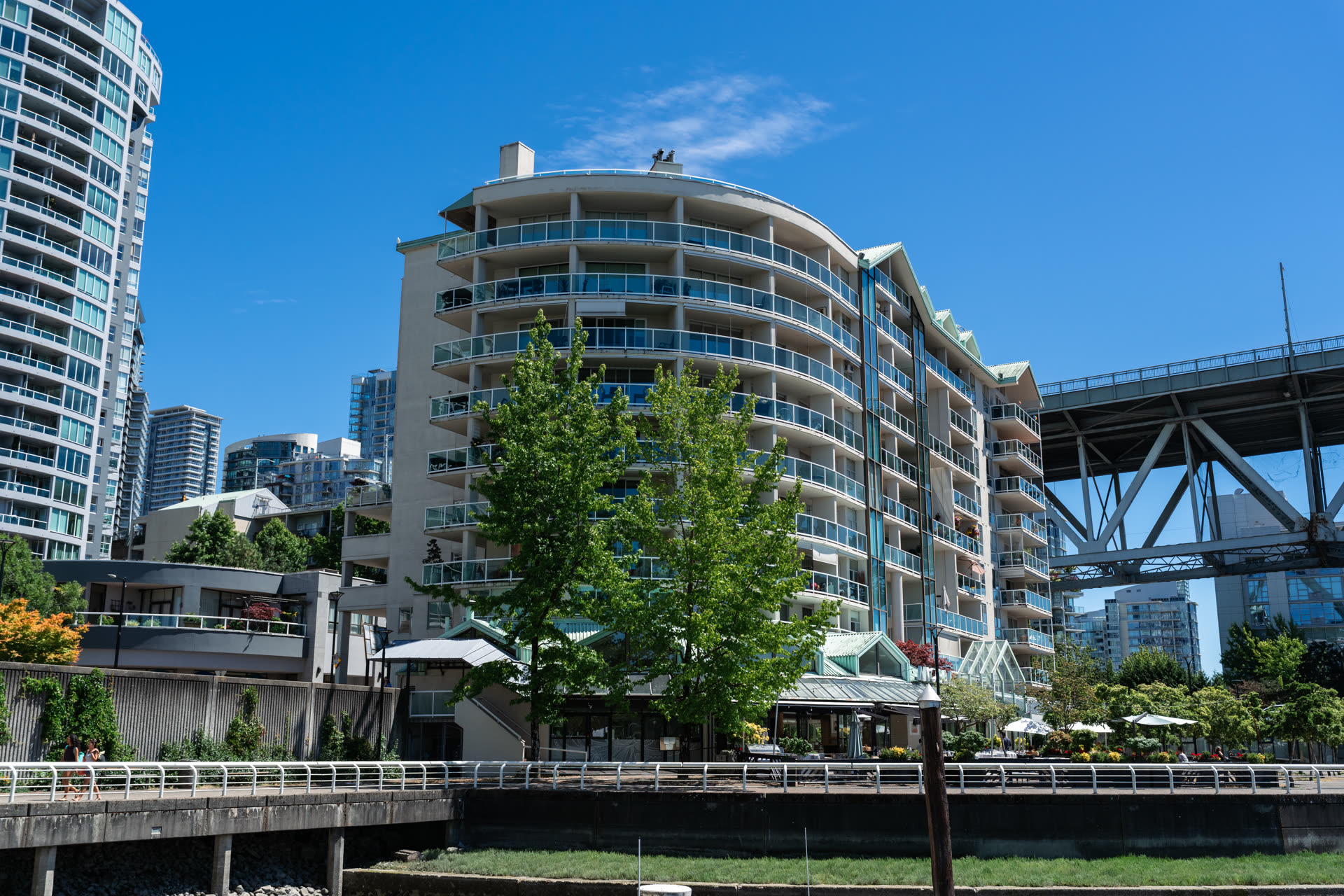
New multi-family residential building under warranty inspection How we work
01/ 04
Step 01

Deadline check

We confirm possession dates, strata formation date, and the specific window closing. Some buildings miss this because they use the strata plan registration date instead of possession. We get it right.

Step 02

Scoped inspection

Engineers matched to the window. Envelope and building science for the 5-year. Structural for the 10-year. Mechanical for the 2-year. All three for a combined review when windows overlap.

Step 03

Deficiency report

A written report with photographic documentation, defect classification, and severity ratings. Formatted to be submitted directly to the warranty provider and the builder without further editing from the council.

Step 04

Council briefing

We present the findings, explain what the builder is obligated to fix, and advise on escalation if the initial claim is disputed. Available for follow-up during remediation.

Fig. 01

The builder's warranty inspector is not working for your council.

The builder's inspector exists to manage what the builder pays to fix. An independent engineering report from Strata Engineering gives your council a documented position that does not depend on the builder's read of their own work.

Each window closes once.
Independent warranty inspection, BC-wide

Booked by referral, manager to manager.

"Strata Engineering has always gone above and beyond when I have engaged their services. They are both accommodating to client schedules and leave no question unanswered, leaving me and my strata with peace of mind."
Megan GossProperty Manager
"I have always trusted Strata Engineering to handle the engineering needs of my portfolio; everything from general questions to major projects. I highly recommend them to anyone who wants confident solutions to their needs."
Charlotte LeungProperty Manager
"The team at Strata Engineering have worked tirelessly on a number of projects I've assigned to them to deliver the best possible results. Their knowledge and professionalism have encouraged me to refer them to my peers and use them regularly."
Anders BeiermiesterProperty Manager

Questions from the first call.

If yours is not here, ask us. We answer on the phone before anyone sends a proposal.

When should we book the inspection for a 5-year warranty review?

At least 60 days before the window closes. That gives enough time for the inspection, the written report, and submission to the warranty provider before the deadline. We see a lot of councils contact us at week 10 of a 12-week window. It can be done, but the earlier you call the better the outcome.

Does the inspection cover individual units or just common property?

We focus on common property by default, which is what the strata council controls. Individual unit defects are typically a matter between the unit owner and the warranty provider. We can scope in a sample of units if the council wants to document systemic interior defects.

What is the difference between the 15-month warranty and the 1-year warranty?

They are two separate windows that people mix up. The 1-year warranty covers in-unit defects inside owners' homes only, runs from each owner's occupancy date, and has to be submitted by the owners themselves. The 15-month warranty is the first warranty that applies to common property and limited common property, the shared parts the council looks after. For the council, the first deadline to watch is the 15-month one, not the 1-year.

Why do councils miss the 15-month warranty?

The 15-month warranty is the most important window for common property because it covers most defects. It is also the easiest to miss, because it sits inside the 2-5-10 program and only shows up if someone reads the warranty certificates closely. Councils that watch the 1-year date and stop there can let the 15-month window close without noticing. We confirm this date for you at the start.

Who submits the 1-year warranty claim, the council or the owners?

The owners submit it directly. The 1-year warranty covers in-unit defects only, and the clock starts at each owner's occupancy date, so coverage and deadlines vary from home to home. The council handles common property and limited common property, where the 15-month warranty is the first window that applies.

Can we combine the 5-year warranty review with a depreciation report?

Yes, and this is often the right call for new-build strata corporations approaching both deadlines at similar times. We send the relevant engineers for each scope and bundle the site visits to reduce disruption to residents and keep total costs down.

What if the builder disputes our defect claim?

Our report is written to withstand dispute. If the claim escalates to the warranty provider's dispute resolution process or to BC's Civil Resolution Tribunal, we can provide a technical declaration and appear as engineering experts.

Our building is four years old. Have we missed the 2-year window?

Possibly, but not necessarily. Possession dates vary across units, and the window may still be open for units with later possession dates. Call us with the possession date range and we can confirm whether any coverage remains before assuming it's gone.

Do you cover buildings outside Metro Vancouver?

Yes. Our Kelowna office covers the Okanagan, and we travel BC-wide for warranty reviews. Travel is scoped transparently on the proposal and is often less than councils expect when the building is less than ten years old.
The window is open now. It won't be open forever.

Start with a twenty-minute call. We confirm your possession dates, tell you which windows are still open, and scope the inspection before anyone commits. No commitment required to find out where you stand.