Is your strata ready for EV chargers?

EV charging readiness starts with your building's existing electrical service. An engineer reviews what the building can handle today, models a full build-out, and gives the council a plan before owners start asking one at a time.

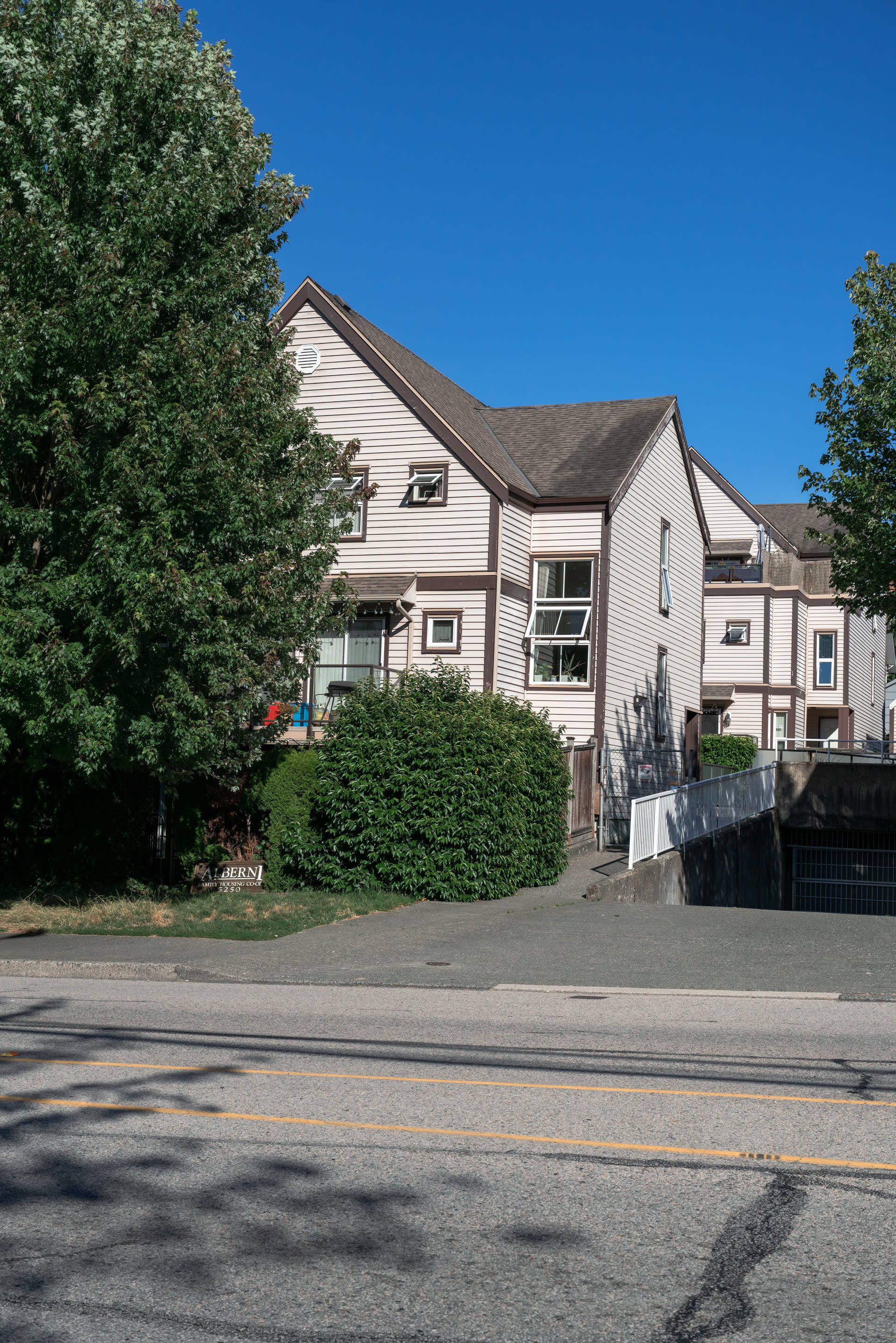
Multi-family strata tower in British Columbia assessed for EV charging readiness Multi-family strata building in British Columbia whose electrical service capacity Strata Engineering has reviewed Multi-family strata building Strata Engineering has assessed for building-wide EV charging infrastructure
Electrical engineering for BC strata, EGBC sealed, five-discipline firm
EV charging readiness Electrical capacity assessment Load management analysis Service upgrade planning BC Hydro application support EGBC member firm 2M general liability Engineering since 2012 EV charging readiness Electrical capacity assessment Load management analysis Service upgrade planning BC Hydro application support EGBC member firm 2M general liability Engineering since 2012

Owners are asking. The council needs an answer.

01

The requests are already arriving

Property managers across BC are fielding owner requests for EV chargers in parkades. Each individual request looks manageable until the electrical implications add up across the building. Getting ahead of it protects the council and gives owners a clear answer.

02

Existing service capacity is the first question

Most strata buildings were not designed with EV charging in mind. Before any charger goes in, an electrical engineer needs to assess the building's existing service and determine how much additional load the system can handle, and under what conditions.

03

Planning once is cheaper than planning twice

Strata corporations that approve chargers one at a time often trigger a service upgrade more than once. Planning building-wide from the start means the upgrade is sized correctly the first time, and future installations move faster without returning to BC Hydro.

What engineers actually look at.

An EV charging readiness assessment is not a quote for installation. It is an engineering review of what the building can support, what it would need to support more, and the path to get there. The electrical planning report that follows is the document BC Hydro and your permit authority will rely on.

  • Existing service assessment: available capacity, panel condition, and meter base
  • Demand load calculations for the proposed charger count, sized to BC Hydro's requirements
  • Load management analysis to reduce upgrade scope where the building allows it
  • Full build-out model so future phases do not require a second BC Hydro application
  • Service upgrade options and a staging plan the council can present at an AGM
  • EGBC-sealed electrical planning report formatted for BC Hydro and permit submission
Multi-family residential building Strata Engineering has assessed for electrical service capacity
Fig. 02 Electrical capacity assessed, BC-wide

Load management or a service upgrade.

Most buildings face one of two scenarios. An electrical engineer determines which applies, and whether a combination is the better answer. Neither option involves guesswork once the assessment is done.

Load management

A load management system coordinates when chargers draw power so the building's peak demand stays within the available service. In some buildings this means more chargers can be installed without a full service upgrade, or the upgrade required is smaller than the worst-case calculation. The engineer models the demand with and without load management so the council can see the difference.

Service upgrade

When a building's existing service does not have enough headroom for the proposed charger count, a service upgrade is required before installation can proceed. BC Hydro will not approve the connection without an EGBC-sealed electrical planning report that models the new load and confirms the proposed upgrade is correctly sized.

How the assessment actually runs.

Multi-family strata building whose electrical service Strata Engineering has reviewed for EV charging readiness How we work
01/ 04
Step 01

Scoping call

We learn the building, the council's plans, and what owner requests are already in the queue. Existing electrical drawings and utility bills help speed things up. We confirm scope before a proposal goes out.

Step 02

Site assessment

Our electrical engineer inspects the main service entrance, metering, distribution panels, and parkade wiring relevant to the proposed charger locations. We photograph, measure, and document.

Step 03

Load calculations and report

Demand load analysis for the proposed installation and the full build-out. Load management modelled where applicable. Upgrade path options laid out with a staging plan the council can act on.

Step 04

Sealed delivery and BC Hydro coordination

EGBC-sealed electrical planning report delivered to the council. We coordinate with BC Hydro on submission and handle the engineering correspondence through the technical review process.

Fig. 01

One charger at a time is the expensive way to do this.

Strata corporations that react to individual owner requests often pay for the same engineering work twice. We model the full building scope the first time, so the council has a policy and a plan, not just an answer to the last request.

EV charging readiness starts with your building's existing electrical service.
Electrical capacity, assessed first

Booked by referral, manager to manager.

"The team at Strata Engineering have worked tirelessly on a number of projects I've assigned to them to deliver the best possible results. Their knowledge and professionalism have encouraged me to refer them to my peers and use them regularly."
Anders BeiermiesterProperty Manager
"I have always trusted Strata Engineering to handle the engineering needs of my portfolio; everything from general questions to major projects. I highly recommend them to anyone who wants confident solutions to their needs."
Charlotte LeungProperty Manager
"Strata Engineering has always gone above and beyond when I have engaged their services. They are both accommodating to client schedules and leave no question unanswered, leaving me and my strata with peace of mind."
Megan GossProperty Manager

Questions from the first call.

If yours is not here, ask us. We answer on the phone before anyone sends a proposal.

Can our strata install EV chargers without a service upgrade?

It depends on the building's existing electrical service and how much headroom is left after accounting for current load. Some buildings have enough spare capacity for a small number of chargers without a service upgrade. Others need an upgrade before a single charger can be added. An electrical engineer reviews the service during the scoping call and tells you which path applies before anyone commits to anything.

Why does it matter whether we plan building-wide instead of one charger at a time?

A piecemeal approach often triggers a service upgrade multiple times instead of once. Planning the full build-out from the start lets the engineer size the service correctly the first time, so the strata is not back at BC Hydro with a new application every time another owner requests a charger.

What is an electrical planning report and when does BC Hydro require one?

An electrical planning report is an EGBC-sealed engineering document that models the building's existing electrical load and the incremental demand from proposed additions. BC Hydro requires one when an application involves a service upgrade or a new secondary transformer. The report is what moves the application from a pending status to a technical review.

What is load management and how does it affect the upgrade scope?

Load management systems coordinate when chargers draw power so the building's peak demand stays within the available service capacity. In some buildings, load management allows more chargers to be installed without a full service upgrade, or allows a smaller upgrade than the worst-case calculation would otherwise require. The engineer models both options and shows the cost difference.

Our owners are already asking about chargers. How do we get ahead of this?

Start with an electrical planning report before any owner installs anything. The report gives the council a clear picture of what the building can support today, what a full build-out would require, and what the upgrade path looks like. That puts the council in a position to set a building-wide policy instead of reacting to individual requests one at a time.

Can Strata Engineering handle the BC Hydro application on our behalf?

We prepare the technical documentation and coordinate with BC Hydro's technical review team. The formal application is submitted through the strata's BC Hydro account, but we handle the engineering correspondence throughout the process.

Find out what your building can support before the requests stack up.

Start with a twenty-minute scoping call. An electrical engineer learns the building and returns a clear proposal. The assessment tells you what the council needs to know before any vote is called.