Fenestration consulting that finds the leak, not the symptom.

Water coming in around a window is rarely the window's fault. Engineers trace the path: frame, sealant, flashing, and the interface where the assembly meets the wall. We find what is failing and tell you whether to repair or replace, with a sealed report your council can act on.

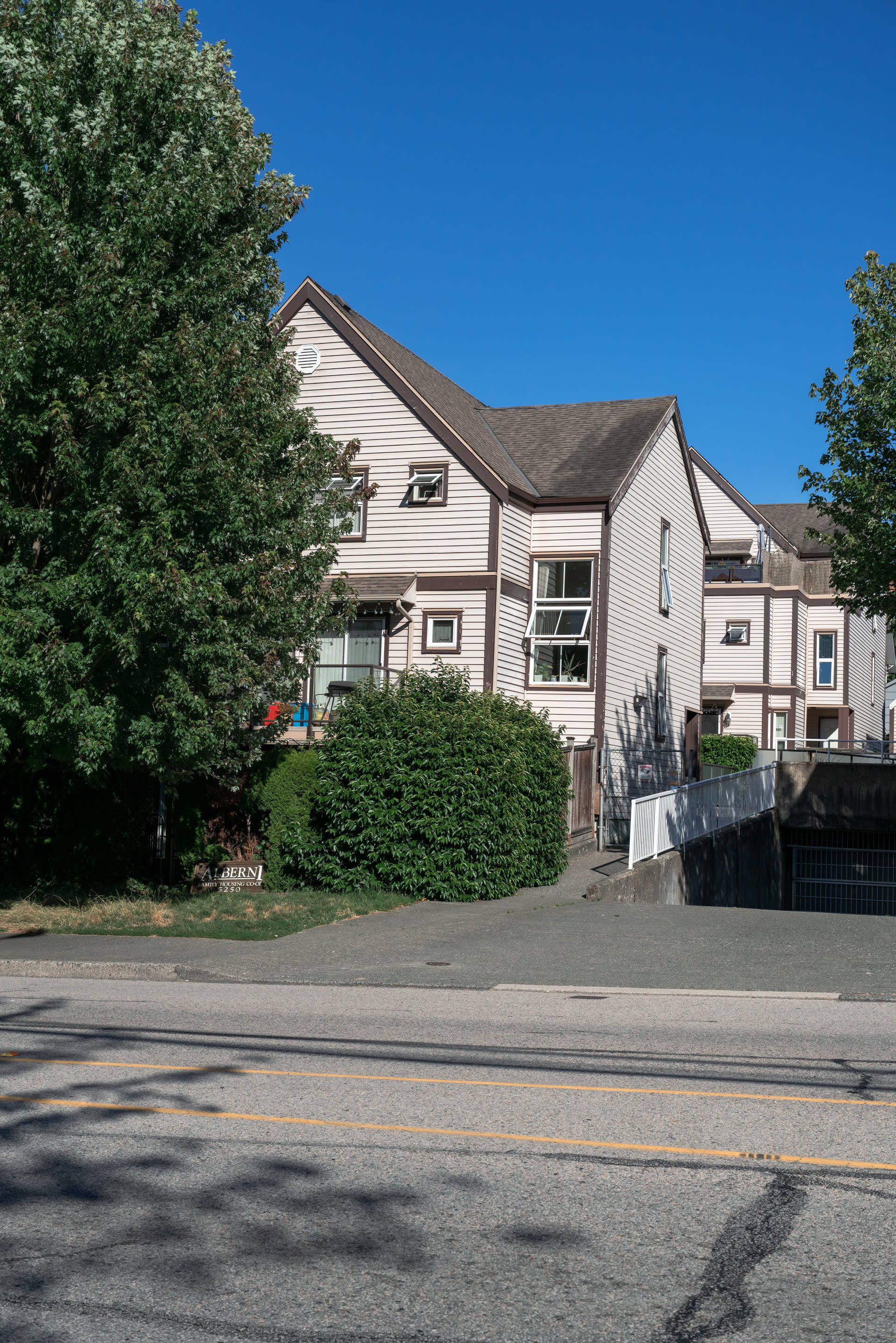
Mode, multi-family residential Alberni, multi-family residential Azure II, multi-family residential
Window and door specialists within a five-discipline engineering firm
Building science Structural Mechanical & HVAC Electrical Geotechnical EGBC member firm 2M general liability Consulting since 2012 Building science Structural Mechanical & HVAC Electrical Geotechnical EGBC member firm 2M general liability Consulting since 2012

Windows and doors are more than glass in a frame.

01

The assembly

Fenestration is the collective term for windows, sliding doors, and entry doors in a building envelope. Each assembly has a frame, glazing unit, hardware, and a perimeter seal that connects it to the surrounding wall. Every component affects how water and air move through the building.

02

The interface

Where a window or door meets the cladding, sheathing, or framing is where most failures begin. Sealant that has hardened or shrunk, flashing that was installed without the right overlap, or a gap left by a previous repair can let water track into the wall cavity long before it appears inside a suite.

03

The building science connection

Fenestration sits inside the building envelope. Condensation on frames, air leakage at perimeter seals, and water infiltration at sill or head conditions are building science problems. Engineers look at the whole picture, from the window assembly to the wall it passes through, not just the unit itself.

What engineers deliver on a fenestration engagement.

Fenestration work ranges from a targeted investigation of a single problematic elevation to a building-wide condition assessment ahead of a full replacement program. The scope is set on the first call and confirmed before any site visit.

  • On-site assessment of window and door assemblies across all affected elevations
  • Water and air infiltration investigation, tracing the path to the source
  • Sealant and flashing condition review at frame perimeters and interface joints
  • Condensation and thermal bridging assessment where conditions indicate
  • Repair versus replacement recommendation for each assembly or elevation
  • Photographic documentation of all deficiencies found during inspection
  • EGBC-sealed report with findings, recommendations, and remediation priorities
  • Window replacement program specification and sealed tender documents where required
Multi-family residential building with fenestration work completed
Fig. 02 Fenestration assessment completed, BC-wide

How a fenestration engagement actually runs.

Multi-family residential building under fenestration engineering review How we work
01/ 04
Step 01

Scoping call

An engineer learns where water is entering, which elevations are affected, and whether the council is planning a targeted repair or a full replacement program. Scope and deliverables are agreed before anyone visits the site.

Step 02

On-site inspection

Engineers walk the elevations and inspect assemblies up close, tracing any water or air infiltration to its source. Sealant conditions, flashing details, and the interface between the frame and the wall are all documented photographically.

Step 03

Analysis and recommendations

Findings are organized by severity and by assembly. Engineers recommend repair or replacement for each condition and, where a replacement program is being planned, develop the specification and sequence that fits your council's budget and schedule.

Step 04

Sealed report and tender documents

The final report is EGBC-sealed and covers every deficiency found, every recommendation made, and the full remediation scope. Where a replacement program tender is required, sealed specification documents are included so contractors have a consistent basis for pricing.

Fig. 01

A window failure is almost always an envelope problem in disguise.

Replacing windows without addressing the interface condition leaves the leak path open. Engineers who understand the full envelope assess the sealant, the flashing, and the wall construction behind the frame before recommending a fix, so the council acts once and the problem stays solved.

Water coming in around a window is rarely the window's fault.
Window and door engineering, BC strata

Repair or replace. Engineers will tell you which.

Both paths are legitimate. The right answer depends on the condition of the assembly and the interface, not on a default recommendation. Engineers give the council a clear basis for the decision.

Repair

Often the right call when the frame and glazing unit are sound but the perimeter sealant, flashing, or interface detail has failed. Targeted remediation costs less and disrupts fewer residents than a full replacement program.

Replacement program

Needed when assemblies have reached the end of their service life, when frames have failed structurally, or when a building-wide upgrade is the most cost-effective path. Engineers specify the replacement scope, assist with tender documents, and can phase the program to match the council's budget cycle.

Booked by referral, manager to manager.

"The team at Strata Engineering have worked tirelessly on a number of projects I've assigned to them to deliver the best possible results. Their knowledge and professionalism have encouraged me to refer them to my peers and use them regularly."
Anders BeiermiesterProperty Manager
"I have always trusted Strata Engineering to handle the engineering needs of my portfolio; everything from general questions to major projects. I highly recommend them to anyone who wants confident solutions to their needs."
Charlotte LeungProperty Manager
"Strata Engineering has always gone above and beyond when I have engaged their services. They are both accommodating to client schedules and leave no question unanswered, leaving me and my strata with peace of mind."
Megan GossProperty Manager

Questions we hear on the first call.

If yours is not covered, ask us. We will answer on the phone before anyone sends a proposal.

How do we know whether our windows need repair or full replacement?

That depends on the condition of the frame, the glass unit, the sealant at the perimeter, and how the window connects to the wall assembly. An engineer assesses each element and gives you a recommendation based on what they find, not a default position. Repair is often the right call; replacement is sometimes unavoidable.

What does fenestration consulting actually cover?

Windows, sliding doors, entry doors, and the critical interface where each assembly meets the wall or envelope. That includes the frame, glazing, seals, flashings, and any sealant or caulking that controls water and air movement at the perimeter.

We have water coming in around windows but the windows look fine. What is causing it?

Most window leaks in multi-family buildings originate at the interface between the frame and the wall, not at the glass. Failing sealant, inadequate flashing, or a gap where the window head or sill meets the cladding system lets water in. An engineer traces the path and confirms the source before recommending a fix.

Can we run a window replacement program in phases rather than all at once?

Yes. Engineers can help your council prioritize by elevation, by condition severity, or by budget cycle. A phased program specification lets you tender work in manageable batches and gives contractors a consistent scope to price against.

Does fenestration work connect to our building envelope consulting?

Directly. Windows and doors are penetrations through the building envelope, so the sealant detailing, flashing, and interface design are building science problems, not just window problems. When envelope and fenestration work is scoped together, the same engineer can address both without gaps or contradictions in the remediation plan.

Do you provide sealed reports for window replacement tenders?

Yes. Engineers at Strata Engineering are EGBC members and can seal specifications and tender documents for window replacement programs. A sealed scope gives your council confidence in the document and gives contractors a clear basis for pricing.

Water around windows does not fix itself over time.

Start with a twenty-minute scoping call. An engineer learns the building and returns a clear proposal covering the inspection and sealed report your council needs to act.