Parkade waterproofing and crack repair that fixes the cause.

Water in a parkade gets worse, not better, on its own. Our engineers identify the source before specifying the repair, then deliver EGBC-sealed remediation scopes and tender-ready documents. Lower Mainland and Okanagan, BC-wide.

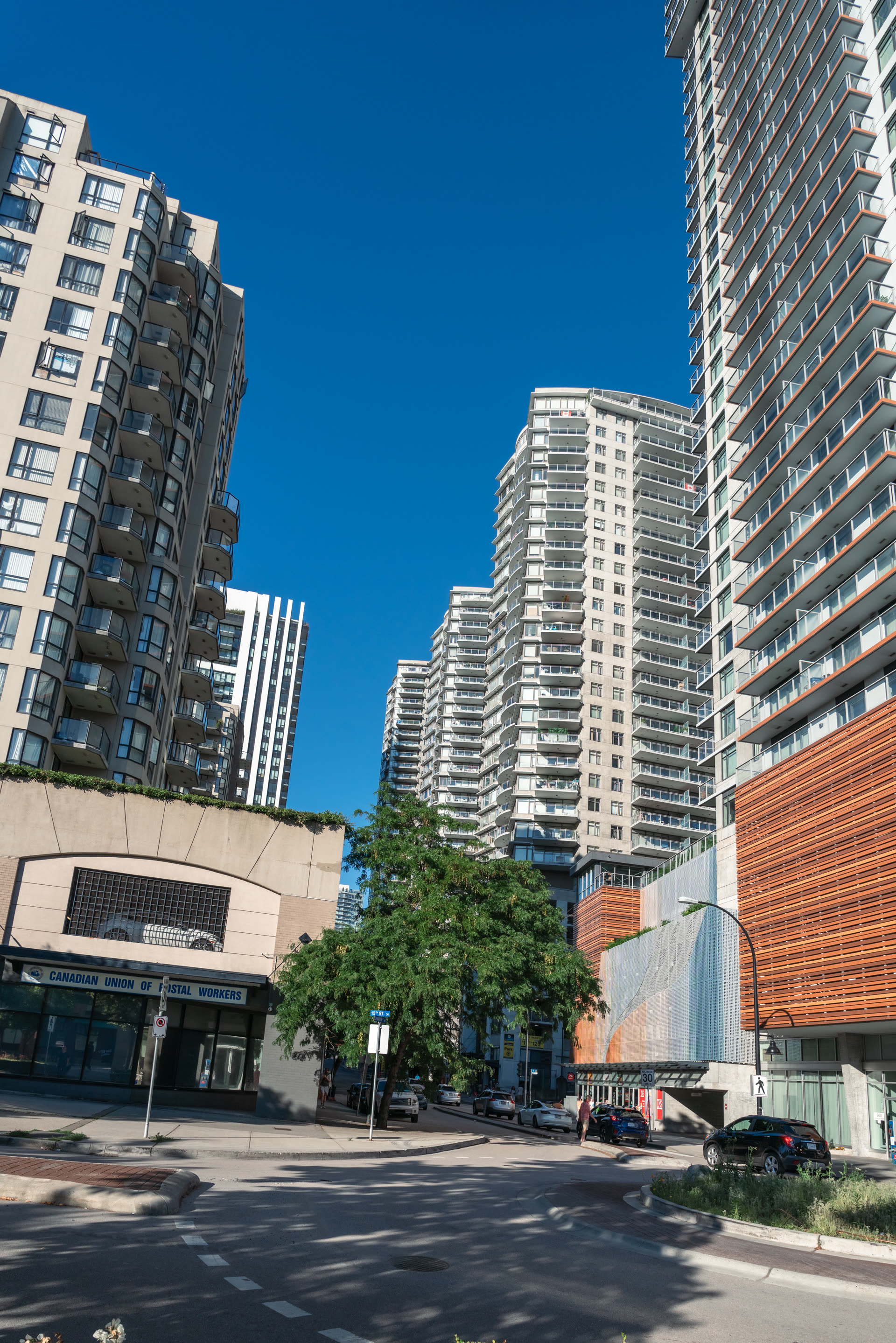
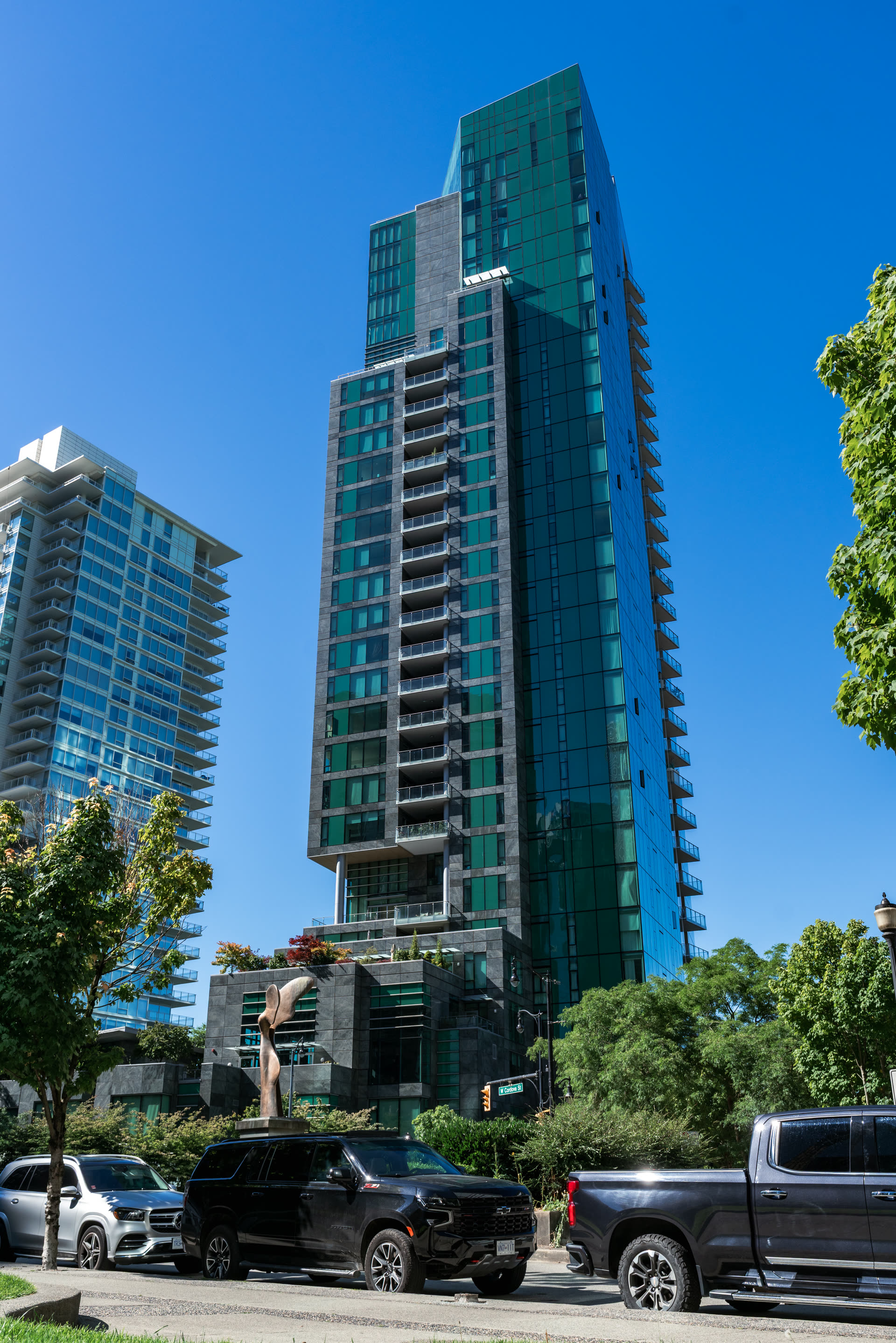
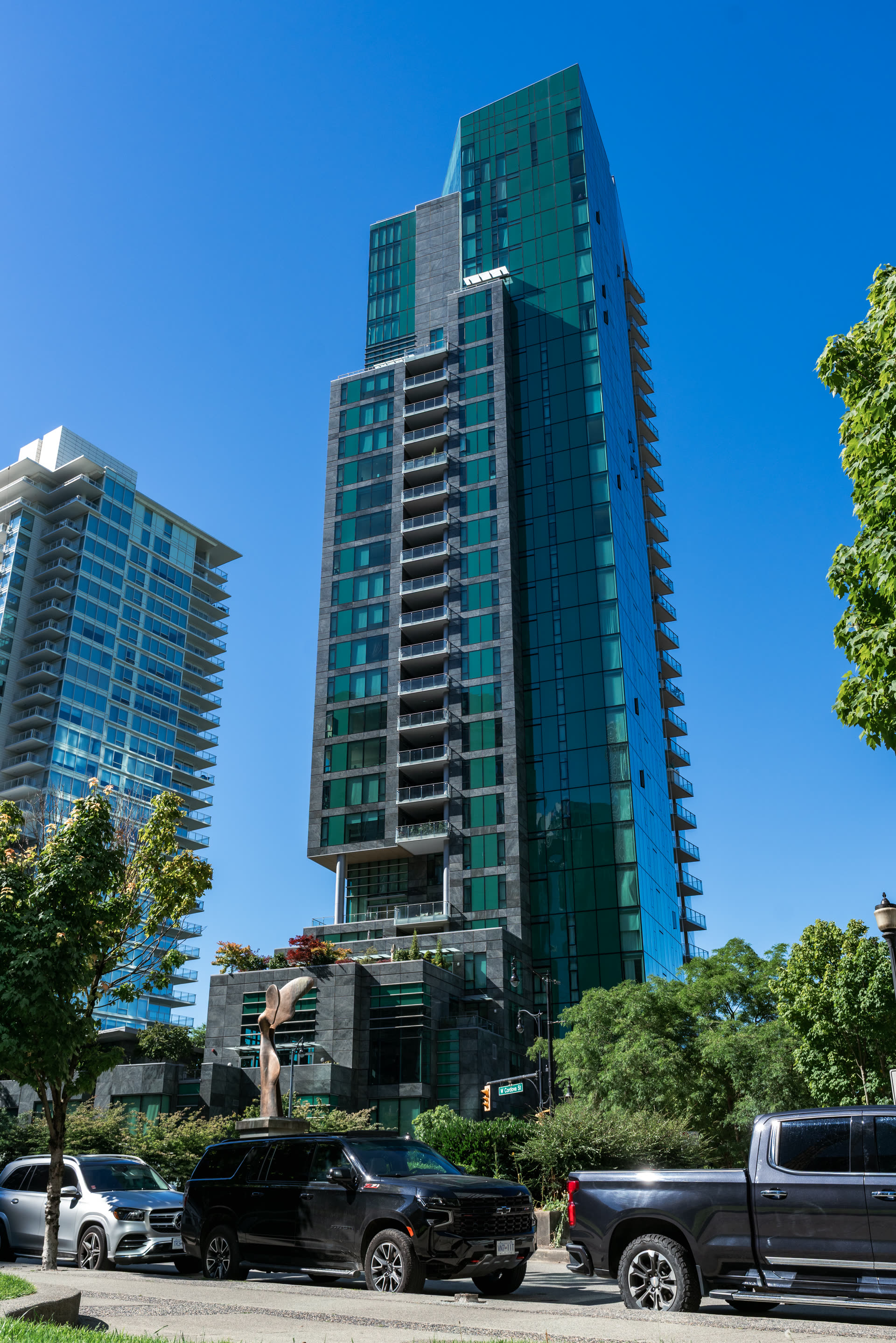
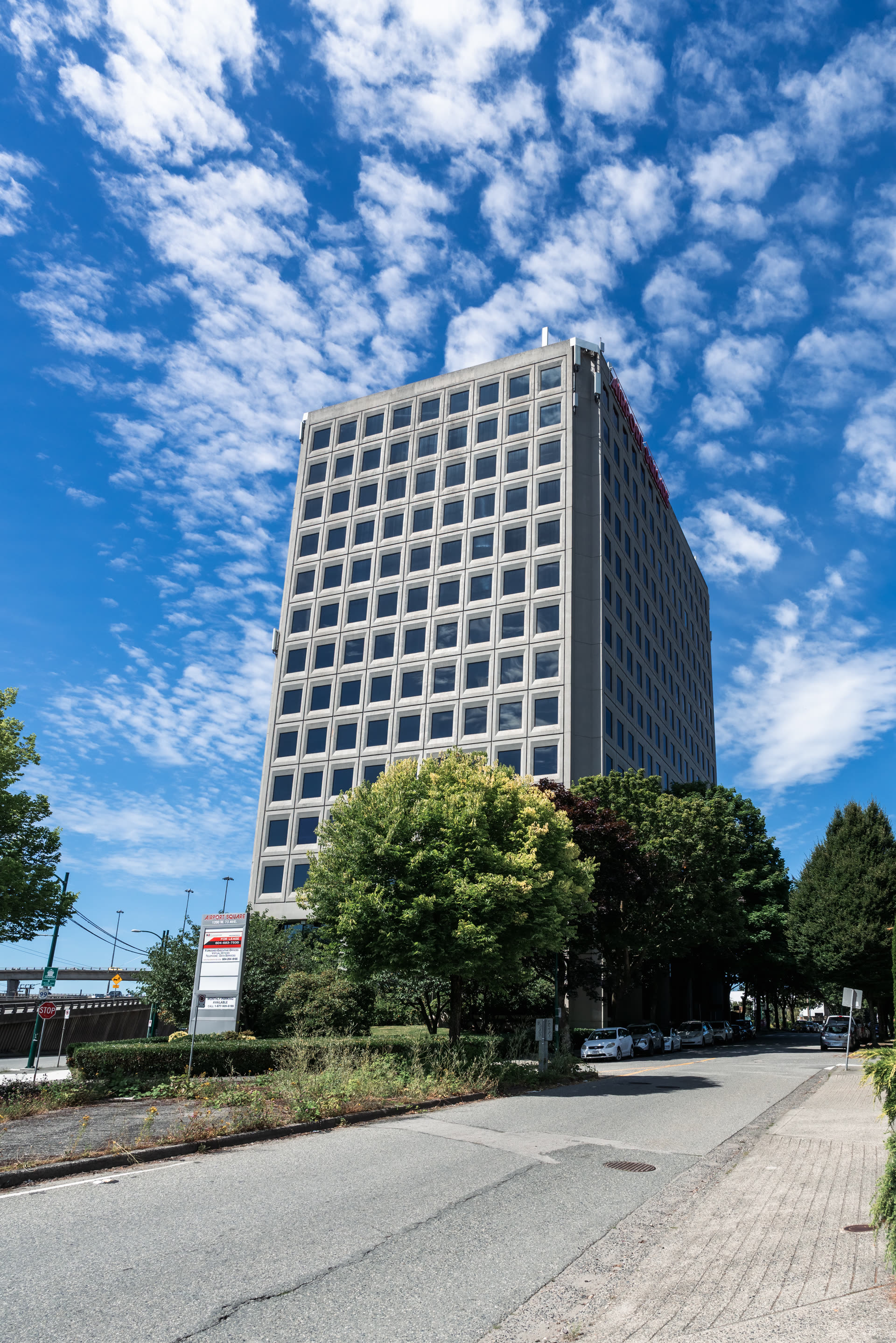
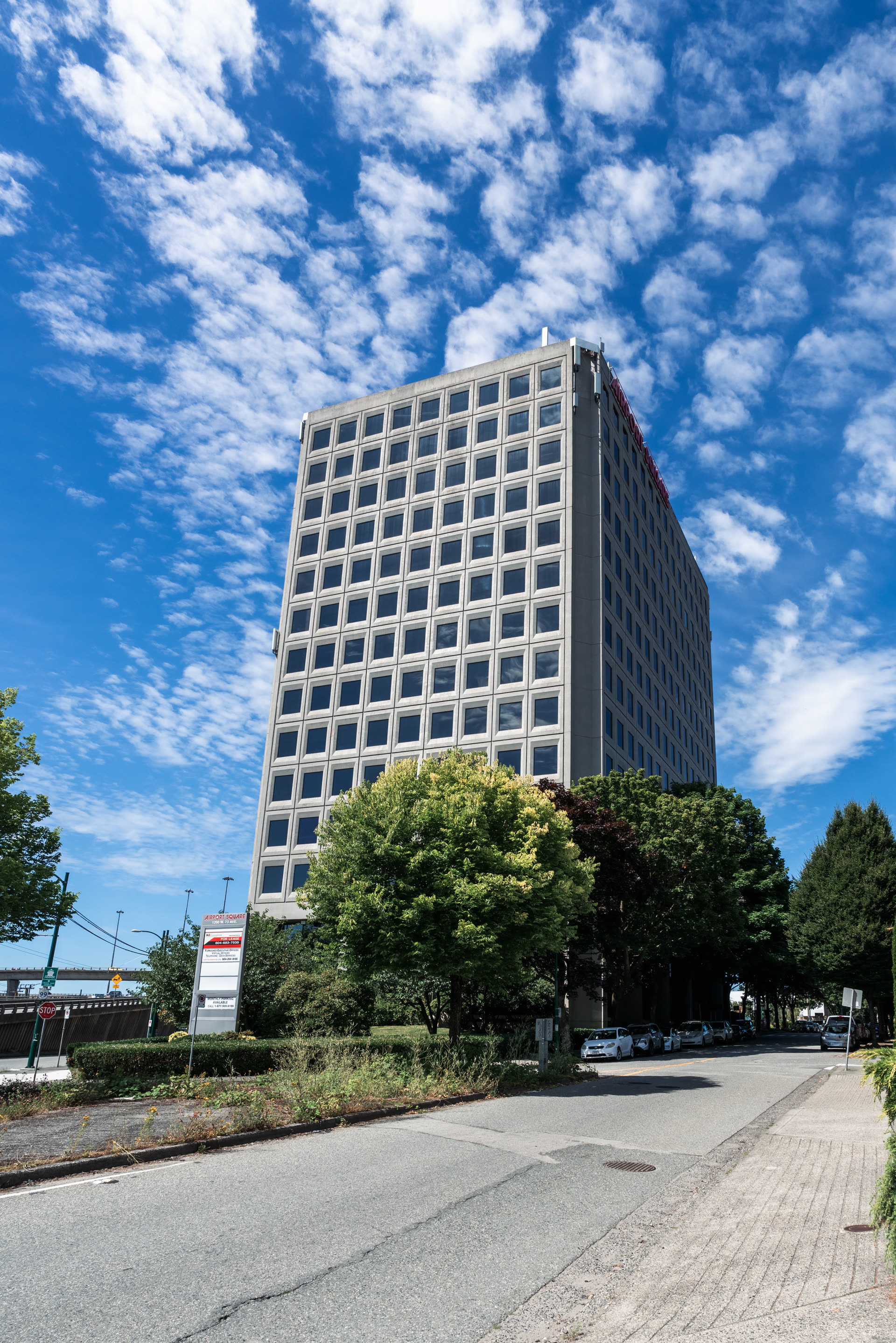
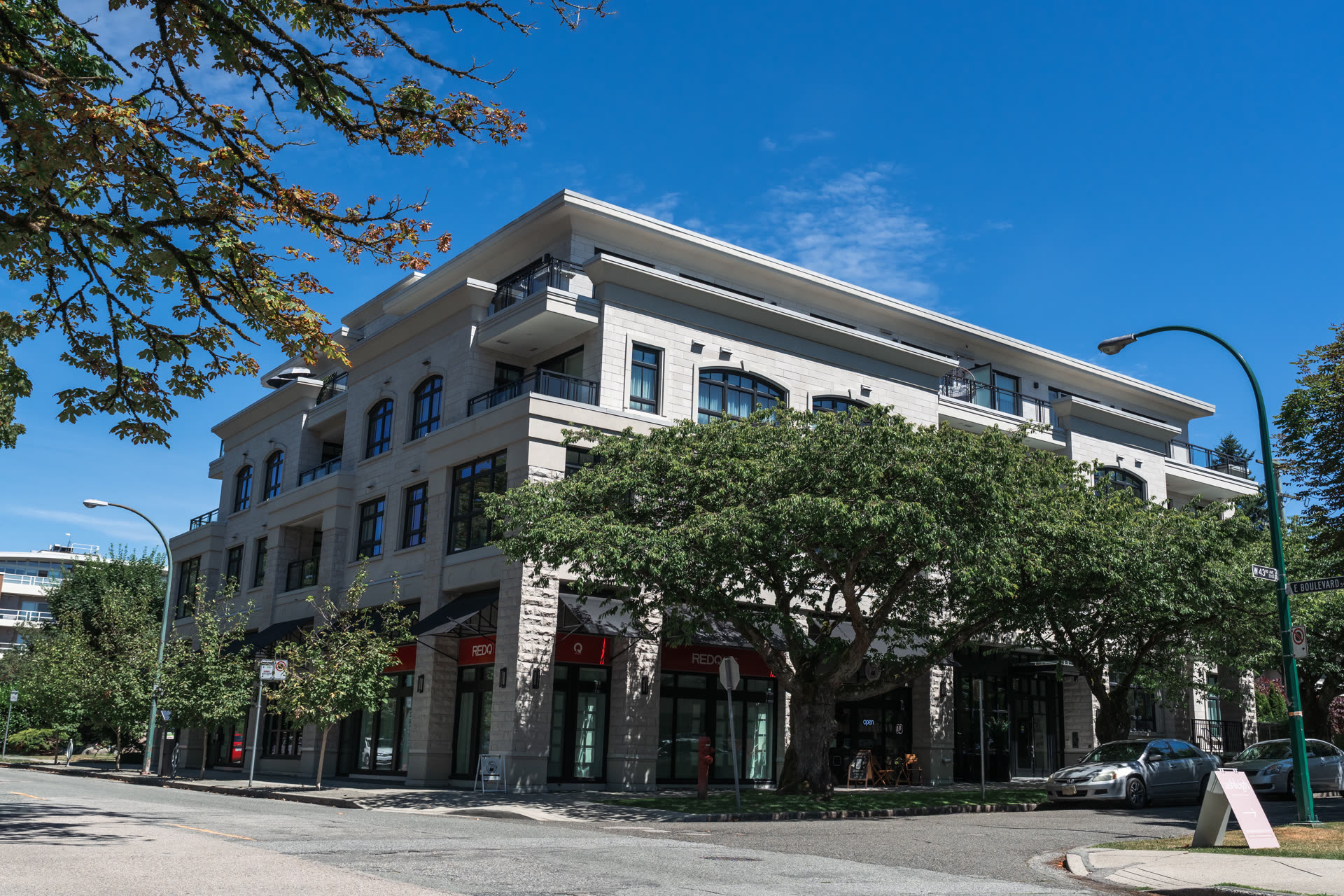
Multi-family residential building, parkade assessment Multi-family residential tower, concrete remediation Multi-family residential building, existing strata
Structural and building-science engineers on the same scope, one firm, one proposal
Building science Structural Mechanical & HVAC Electrical Geotechnical EGBC member firm 2M general liability Since 2012 Building science Structural Mechanical & HVAC Electrical Geotechnical EGBC member firm 2M general liability Since 2012

Parkade water ingress is rarely one thing at once.

01

Traffic deck and membrane failure

A suspended-slab or above-grade parkade deck carries vehicle traffic over occupied space below. The waterproofing membrane between deck and structure degrades over time from UV exposure, thermal cycling, and mechanical wear. When it fails, water follows every crack and joint directly into the concrete.

02

Below-grade hydrostatic pressure

Underground parkades face groundwater pressure from every direction. Cracks in walls and floor slabs, failed construction joints, and inadequate drainage create paths for water even when the original waterproofing was installed correctly. Soil conditions and site drainage govern how much pressure the structure faces.

03

Rebar corrosion from chloride ingress

Water carries chlorides from de-icing salts into concrete. Once chlorides reach the reinforcing steel, they break down the passive oxide layer and corrosion begins. Corroding steel expands, cracking and spalling the surrounding concrete. Engineers need to assess how far the deterioration has progressed before specifying repair.

What engineers deliver for a parkade remediation.

A parkade scope begins with understanding the problem, not prescribing materials.

  • On-site inspection: water ingress mapping, membrane condition, crack survey, drainage review
  • Concrete condition assessment: depth of carbonation, chloride profiling, rebar cover, spall extent
  • Diagnosis report: cause of ingress confirmed in writing before repair is specified
  • Remediation scope: repair methods, materials, and sequencing specified by the engineer
  • Tender-ready documents: drawings and specifications contractors can bid against
  • EGBC-sealed deliverables signed by the engineer of record
  • Construction review services available to confirm work meets the specification
Multi-family residential building, BC strata, structural and envelope engineering
Fig. 02 Parkade remediation scope, sealed and tender-ready

How engineers approach a parkade investigation.

Multi-family residential building under engineering assessment How we work
01/ 04
Step 01

Scoping call

An engineer learns the history: how long the water has been present, where it is showing up, what work has been attempted. Knowing the context before the site visit makes the inspection faster and more targeted.

Step 02

Site inspection and mapping

Structural and building-science engineers walk the parkade together. They map ingress locations, assess membrane and joint condition, survey cracks, test concrete, and evaluate drainage. The problem gets documented before any repair is discussed.

Step 03

Diagnosis and repair specification

Engineers specify the repair: membrane type and extent, crack injection methods, concrete removal and patch details, drainage corrections, or a combination. The specification is built around what the engineers found, not a catalogue default.

Step 04

Sealed documents and tender support

Final deliverables are EGBC-sealed and formatted for tender. The council or property manager can issue them to contractors directly. Engineers remain available for tender questions and can provide construction review once a contractor is selected.

Fig. 01

A parkade problem is structural and envelope at the same time.

Most firms send one engineer with a generalist scope. Parkade water ingress involves the structural slab, the waterproofing system, the drainage plane, and reinforcing steel all at once. We put a structural engineer and a building-science engineer on the same site visit so the diagnosis covers every layer and the repair specification holds up under contractor scrutiny.

Water in a parkade gets worse, not better, on its own.
Diagnose the source before repairing

Diagnose first. Specify after.

Councils often arrive with a contractor quote already in hand. The repair may be right or wrong depending on what was missed in the assessment. Engineers establish the cause before anyone touches the concrete.

Without a diagnosis

Repairs address visible symptoms: a patch here, a sealant there. Water finds another path. The same area fails again. The council pays twice, sometimes three times, before an engineer is called to determine what was actually happening.

With an engineered scope

The cause is confirmed in writing. The repair specification covers the full extent of deterioration and addresses the mechanism, not just the symptoms. Contractors bid against a clear scope. The work has a sealed engineer behind it.

Booked by referral, manager to manager.

"The team at Strata Engineering have worked tirelessly on a number of projects I've assigned to them to deliver the best possible results. Their knowledge and professionalism have encouraged me to refer them to my peers and use them regularly."
Anders BeiermiesterProperty Manager
"I have always trusted Strata Engineering to handle the engineering needs of my portfolio; everything from general questions to major projects. I highly recommend them to anyone who wants confident solutions to their needs."
Charlotte LeungProperty Manager
"Strata Engineering has always gone above and beyond when I have engaged their services. They are both accommodating to client schedules and leave no question unanswered, leaving me and my strata with peace of mind."
Megan GossProperty Manager

Questions we hear on the first call.

If yours is not covered, ask us. An engineer will answer on the phone before anyone sends a proposal.

Water is coming into our parkade. Where do we start?

A preliminary investigation is the right first step. An engineer inspects the parkade to identify where the water is entering, whether from a failed traffic-deck membrane, cracked concrete, a drainage problem, or a combination. Diagnosing the source first means the repair scope is accurate and you are not paying to fix the wrong thing.

What is a traffic-deck membrane and how long do they last?

A traffic-deck membrane is a waterproofing layer applied to the surface of an above-grade or suspended-slab parkade deck. It protects the structural concrete beneath from water, de-icing salts, and chloride intrusion. Service life varies by membrane type, traffic loading, and maintenance history. An engineer can assess condition during an inspection and advise whether the membrane is repairable or due for replacement.

Can cracks in parkade concrete always be injected?

Not always. Crack injection is effective for dormant cracks where movement has stopped. Live cracks, where the underlying cause is ongoing, require a structural assessment before injection so the repair does not fail again. Our engineers determine crack type and cause before specifying the repair method.

We have visible rust stains in the parkade. Is that serious?

Rust staining indicates reinforcing steel beneath the concrete is corroding. Once water and chlorides reach the rebar, corrosion expands the steel and eventually causes the surrounding concrete to crack and spall. An engineer needs to evaluate the extent of corrosion and affected concrete before a repair scope can be prepared. Left unaddressed, deterioration accelerates and repair costs increase.

What do you deliver and can we use it to go to tender?

Yes. Our remediation scope documents are written for tender. They include condition observations, the cause of the water ingress, a specified repair scope with materials and methods, and drawings where required. Every deliverable is EGBC-sealed by the engineer of record. Councils and property managers can use the documents to solicit contractor bids directly.

Our building is in the Okanagan. Can your team cover it?

Yes. Our Kelowna office on Pandosy Street covers the Okanagan and interior BC. We also work throughout the Lower Mainland from our Burnaby head office. Travel to other parts of BC is scoped transparently on the proposal.
Water in the parkade gets worse until an engineer looks at it.

Start with a scoping call. An engineer learns the building, reviews any prior reports or contractor quotes, and returns a clear proposal for the investigation and scope of work.