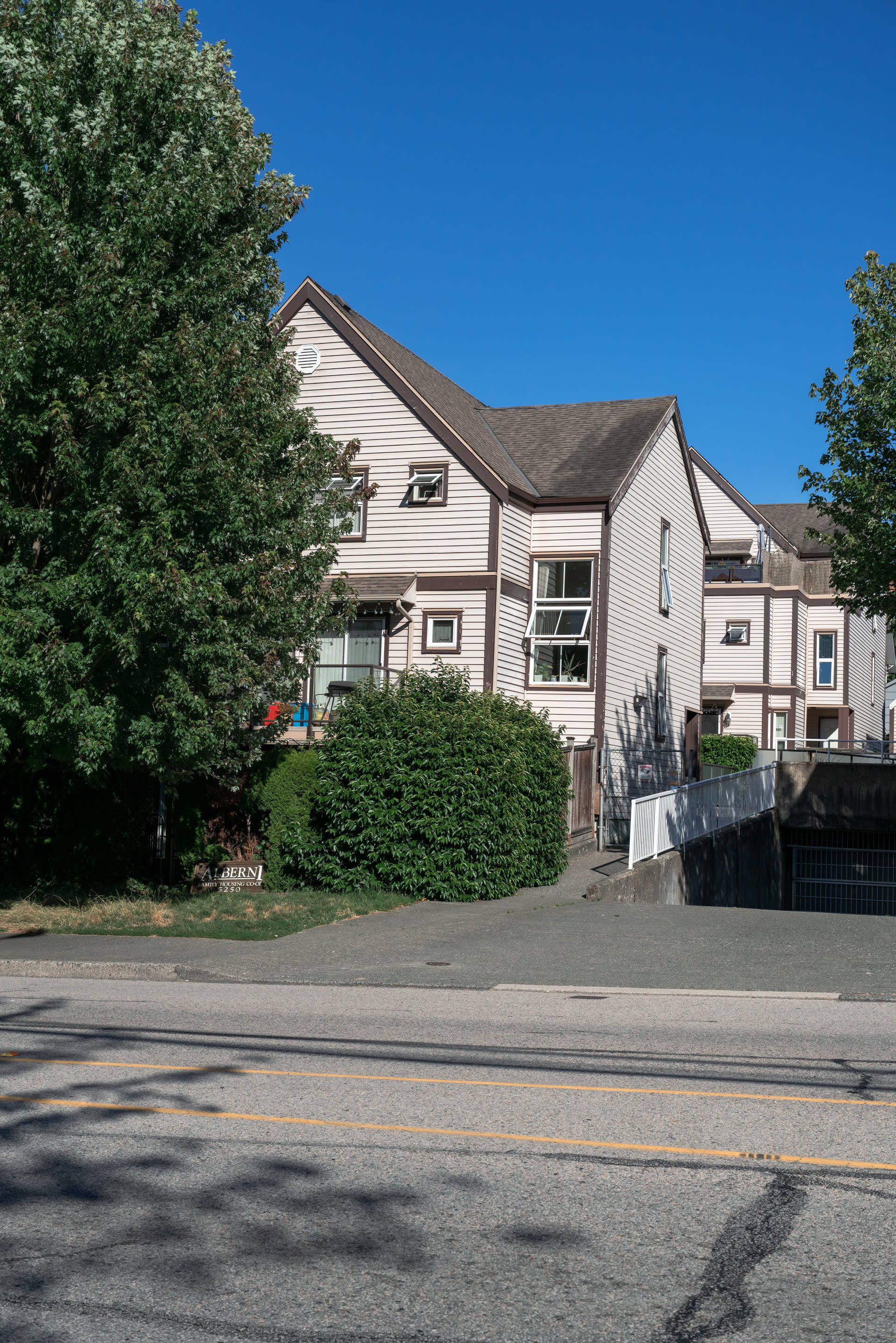
When the ground needs an engineer's eye on it.

Settlement, slope movement, drainage problems, retaining wall concerns. Our geotechnical engineers investigate the soil conditions behind those symptoms, seal a report, and work alongside our structural and envelope teams so the full picture lands in one place.

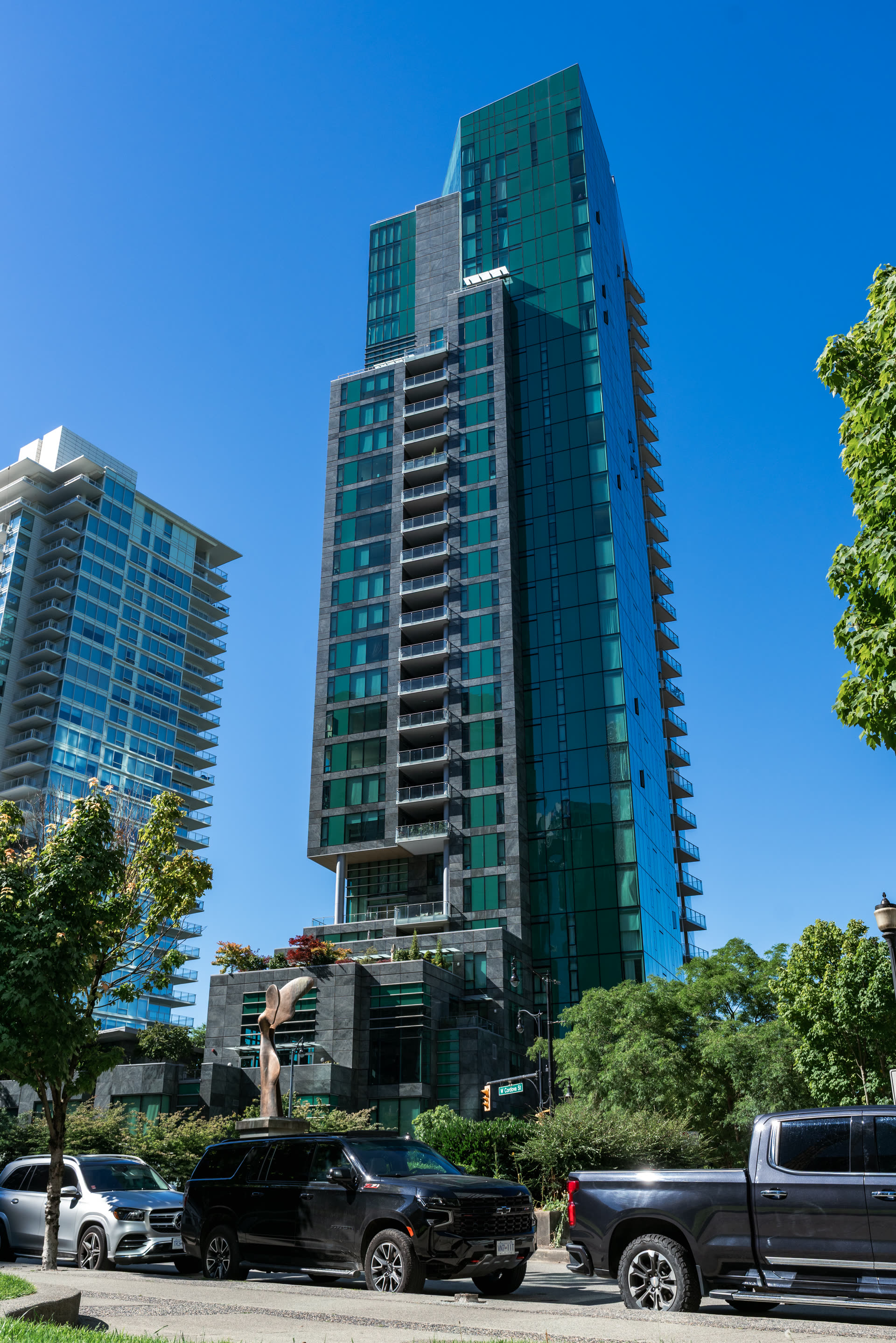
Multi-family residential building, geotechnical assessment Multi-family residential building, Okanagan Multi-family residential strata property
Seals across five disciplines, one firm, one proposal
Building science Structural Mechanical & HVAC Electrical Geotechnical EGBC member firm 2M general liability Reporting since 2012 Building science Structural Mechanical & HVAC Electrical Geotechnical EGBC member firm 2M general liability Reporting since 2012

What sends a property manager to a geotechnical engineer.

01

Settlement and cracking

Cracks in foundation walls, uneven floors, or doors and windows that no longer close squarely can signal movement in the soil below. A geotechnical engineer identifies whether the source is in the ground and what the likely progression looks like.

02

Slope stability and erosion

Properties on or near slopes carry ongoing obligations. Surface erosion, tension cracks, or movement in retaining structures are triggers for a professional assessment of whether the slope needs remediation or ongoing monitoring.

03

Drainage and groundwater

Water pooling near foundations, wet parkades, or saturated landscaping can point to subsurface drainage paths not accounted for in the original design. Geotechnical investigation maps the groundwater conditions and informs a fix that addresses the source, not just the symptom.

Geotechnical engineering for strata: scope and deliverables.

Every geotechnical engagement starts with a scoping call. Our engineers learn the property, the observed symptoms, and any available records before scoping the investigation. The result is a sealed report the council can act on, not a generic desk study.

  • Site investigation and visual assessment of observed conditions
  • Review of available records, drawings, and prior reports
  • Coordination of subsurface investigation where required (test pits, boreholes)
  • Soil classification and bearing capacity assessment
  • Slope stability analysis for at-risk grades and retaining structures
  • Settlement and foundation-soil interaction assessment
  • Drainage and groundwater analysis informing remediation recommendations
  • EGBC-sealed written report with prioritised recommendations
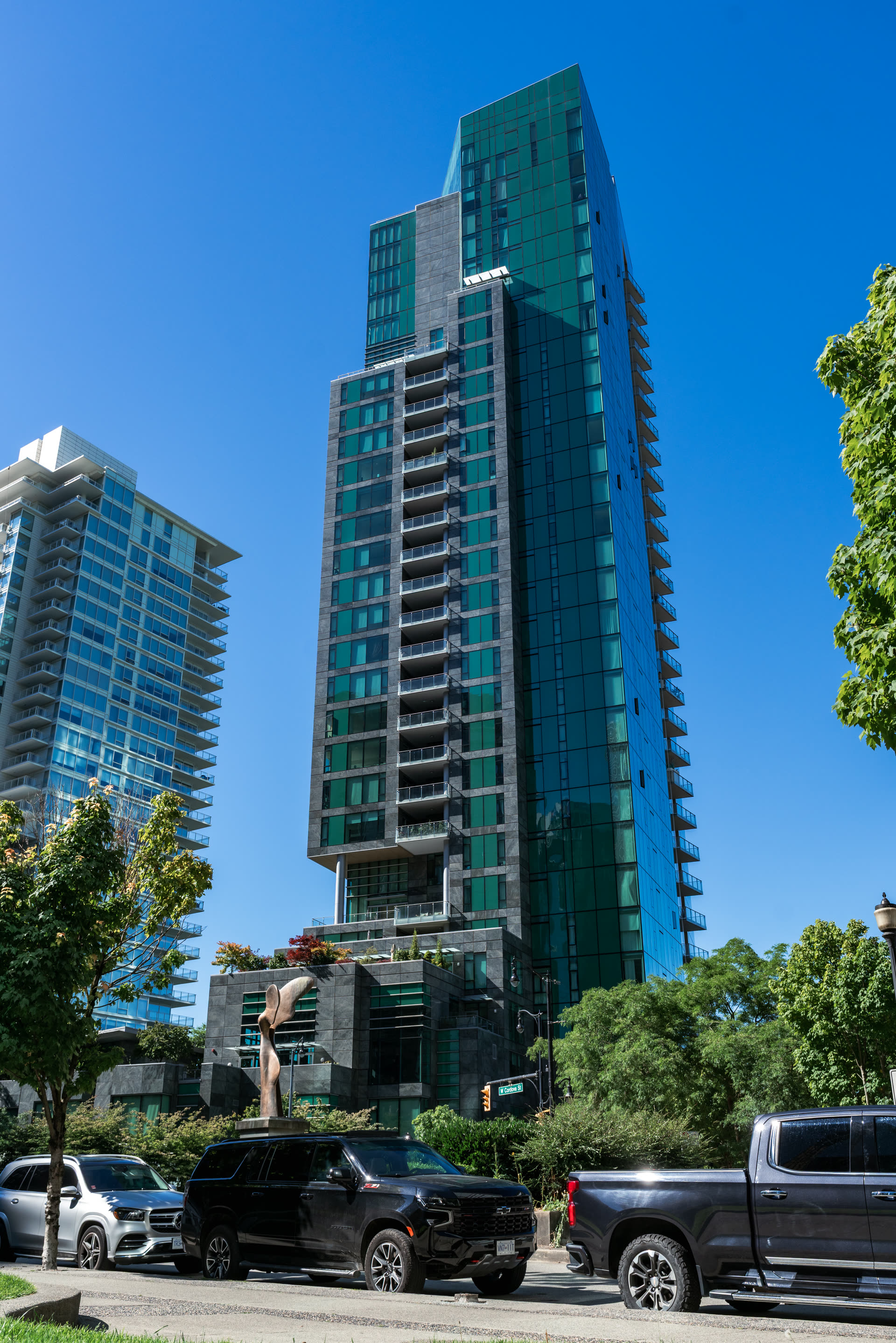
Multi-family residential building, geotechnical and structural assessment
Fig. 02 Geotechnical investigation completed, BC-wide

How a geotechnical engagement actually runs.

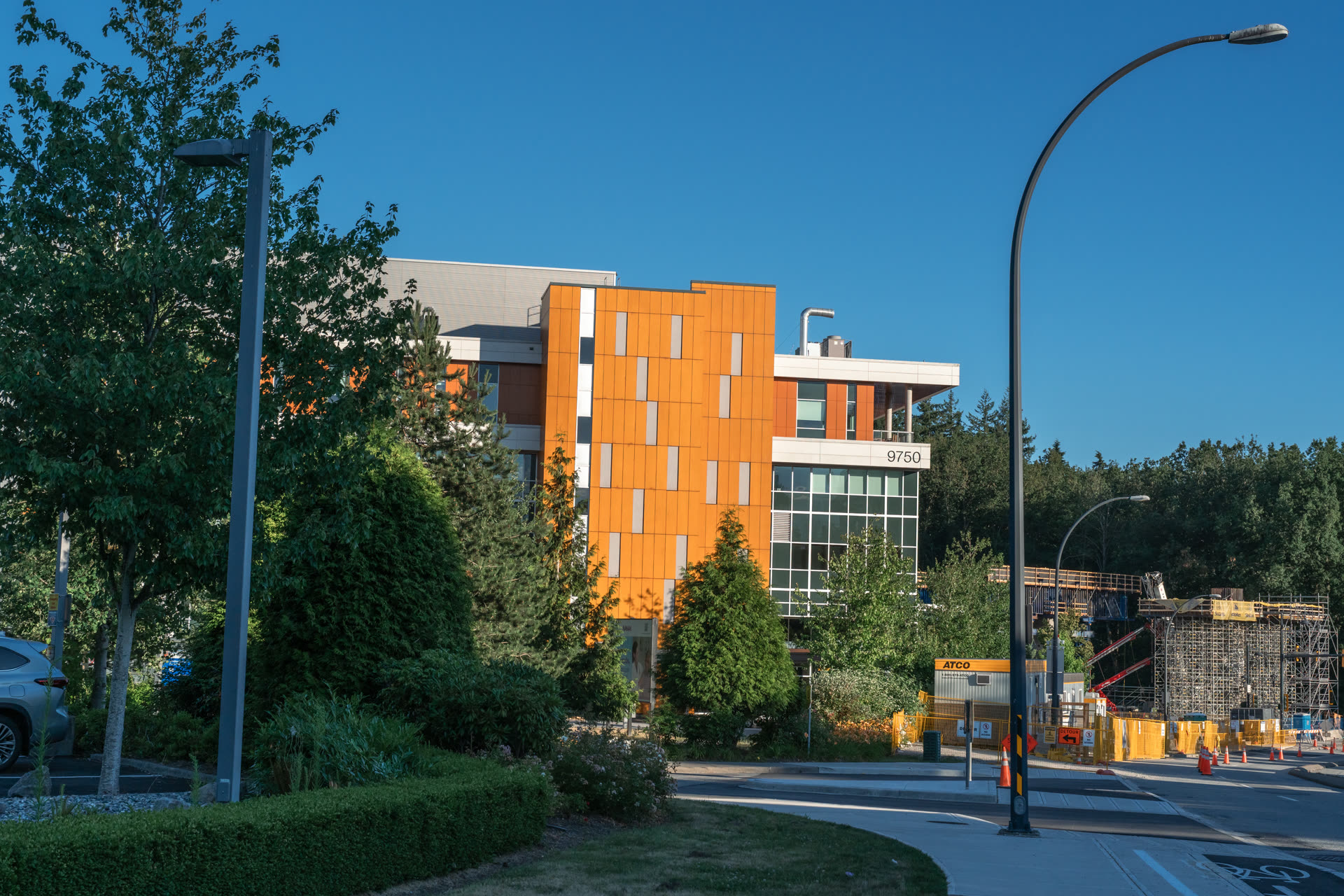
Multi-family residential building under geotechnical review How we work
01/ 04
Step 01

Scoping call

A qualified engineer learns the property and what the council has observed. We review any available drawings or prior reports and confirm the investigation scope before anyone sends paperwork.

Step 02

Site investigation

Our geotechnical engineers visit the property, document conditions, and coordinate any required subsurface work such as test pits or boreholes through a licensed drilling contractor. Structural and envelope colleagues join where cross-discipline context is useful.

Step 03

Analysis and recommendations

Engineers analyse the soil data, drainage patterns, and foundation or slope conditions. Findings are prioritised so the council knows what needs attention now and what can be monitored over time.

Step 04

Sealed report delivery

A written report sealed by an EGBC-registered engineer is delivered to the council. Where remediation is needed, recommendations include enough detail for a contractor to tender the work.

Fig. 01

Soils, structure, and envelope belong in the same conversation.

A geotechnical report that sits in a drawer while another firm handles structural repairs is a missed opportunity. Because our geotechnical, structural, and building envelope engineers work under one roof, the findings from a soil investigation inform the structural recommendations directly. One sealed report. One team. No gap between what the ground is doing and what the building is doing.

Settlement, slope movement, drainage problems, retaining wall concerns.
Geotechnical triggers in BC strata

Targeted assessment or full investigation. We'll tell you which.

Not every geotech concern requires a full program of boreholes and lab testing. A scoping call lets our engineers match the depth of the investigation to the actual question.

Targeted assessment

For a specific, bounded concern: a single retaining wall showing distress, drainage ponding in one corner of the site, or cracking in one foundation wall. Faster to scope, faster to report, and often sufficient to answer the council's immediate question.

Full site investigation

For properties with multiple symptoms, planned construction near existing foundations, or slope conditions that require a complete stability analysis. Subsurface investigation is coordinated as part of the scope.

Booked by referral, manager to manager.

"The team at Strata Engineering have worked tirelessly on a number of projects I've assigned to them to deliver the best possible results. Their knowledge and professionalism have encouraged me to refer them to my peers and use them regularly."
Anders BeiermiesterProperty Manager
"I have always trusted Strata Engineering to handle the engineering needs of my portfolio; everything from general questions to major projects. I highly recommend them to anyone who wants confident solutions to their needs."
Charlotte LeungProperty Manager
"Strata Engineering has always gone above and beyond when I have engaged their services. They are both accommodating to client schedules and leave no question unanswered, leaving me and my strata with peace of mind."
Megan GossProperty Manager

Questions we hear on the first call.

If yours is not covered, ask us. We will answer on the phone before anyone sends a proposal.

What triggers a geotechnical investigation for a strata property?

Common triggers include visible settlement or cracking in foundation walls, slope movement or surface erosion on the property, retaining wall distress, persistent drainage problems, and planned construction near existing foundations. A scoping call helps determine whether a full investigation or a targeted assessment is the right first step.

What does a site investigation actually involve?

Our geotechnical engineers visit the property, review available records, and conduct a visual assessment. When subsurface information is needed, they coordinate test pits or borehole drilling through a licensed contractor. The findings inform a written report sealed by an EGBC-registered engineer.

How does geotechnical work connect to structural and envelope work?

Soil conditions directly affect how a building's foundations perform, how retaining structures behave, and how water moves around the building envelope. Because our geotechnical, structural, and envelope engineers work in the same firm, findings from a soil investigation can be reviewed alongside structural load paths and envelope detailing without the delays of separate consultants.

Can you cover properties in both the Lower Mainland and the Okanagan?

Yes. Our Burnaby office serves the Lower Mainland and we regularly work on properties in the Fraser Valley, Vancouver Island, and the Okanagan from our Kelowna office. Travel is scoped transparently on the proposal.

Do geotechnical reports need to be EGBC-sealed?

Geotechnical reports prepared for strata properties in BC are sealed by an EGBC-registered professional engineer. The seal confirms that a qualified engineer reviewed the investigation, the analysis, and the recommendations.

We have an existing geotechnical report from a previous owner. Is it still usable?

It depends on the age of the report, what conditions have changed, and what the current question is. Our engineers can review a prior report during scoping and tell you whether it provides a sufficient basis or whether new investigation is needed.
Soil concerns need a qualified engineer, not a guess.

Start with a twenty-minute scoping call. A geotechnical engineer learns the property and returns a clear proposal for the investigation. Travel is scoped transparently on the proposal.